
Warbler return

Like a kid waiting for Christmas. When are they coming? Why aren’t they here yet? Once bitten by the birding bug, which often happens during a warbler fallout, humans don’t have a chance of living a “normal” life in spring. You’re always watching the weather, checking the winds, knowing wood warblers are on their way, driven by the powerful life force that makes them fly hundreds of miles from the tropics to wherever they can find a good place to nest, with enough food to feed a family.
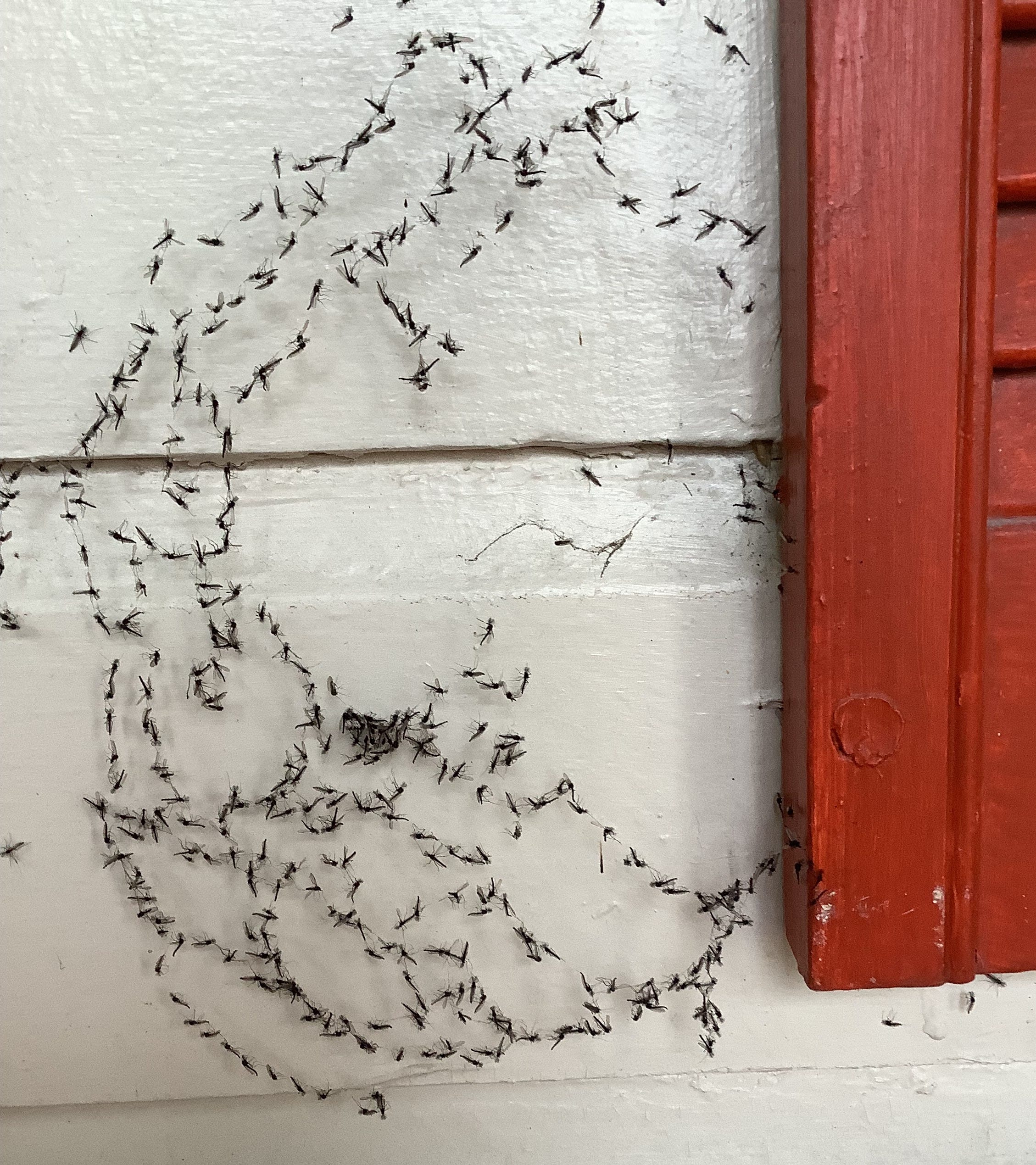
This late cold spring has been hellish on birders here in the east, wandering through empty woods, watching and worrying. And then finally! One morning last week lots of warblers came at last, dropping out of the skies at dawn after a long night’s flight, to start feeding voraciously on the feast of hatching midges. Clouds of bugs that drive some home-owners and trail walkers crazy, but form the engine of the ecosystem and food chain. Why it all works, the magic of spring migration.
That’s the dynamic around here right now, and good reason to grab binoculars and get out there. Warblers are back, and you want to see them all! It’s like taking vitamins, spotting each species one at a time, more than thirty colourful possibilities. Males in their exquisite spring plumage, singing as they go. Females in subtler shades but just as active, as adamant, as hungry.
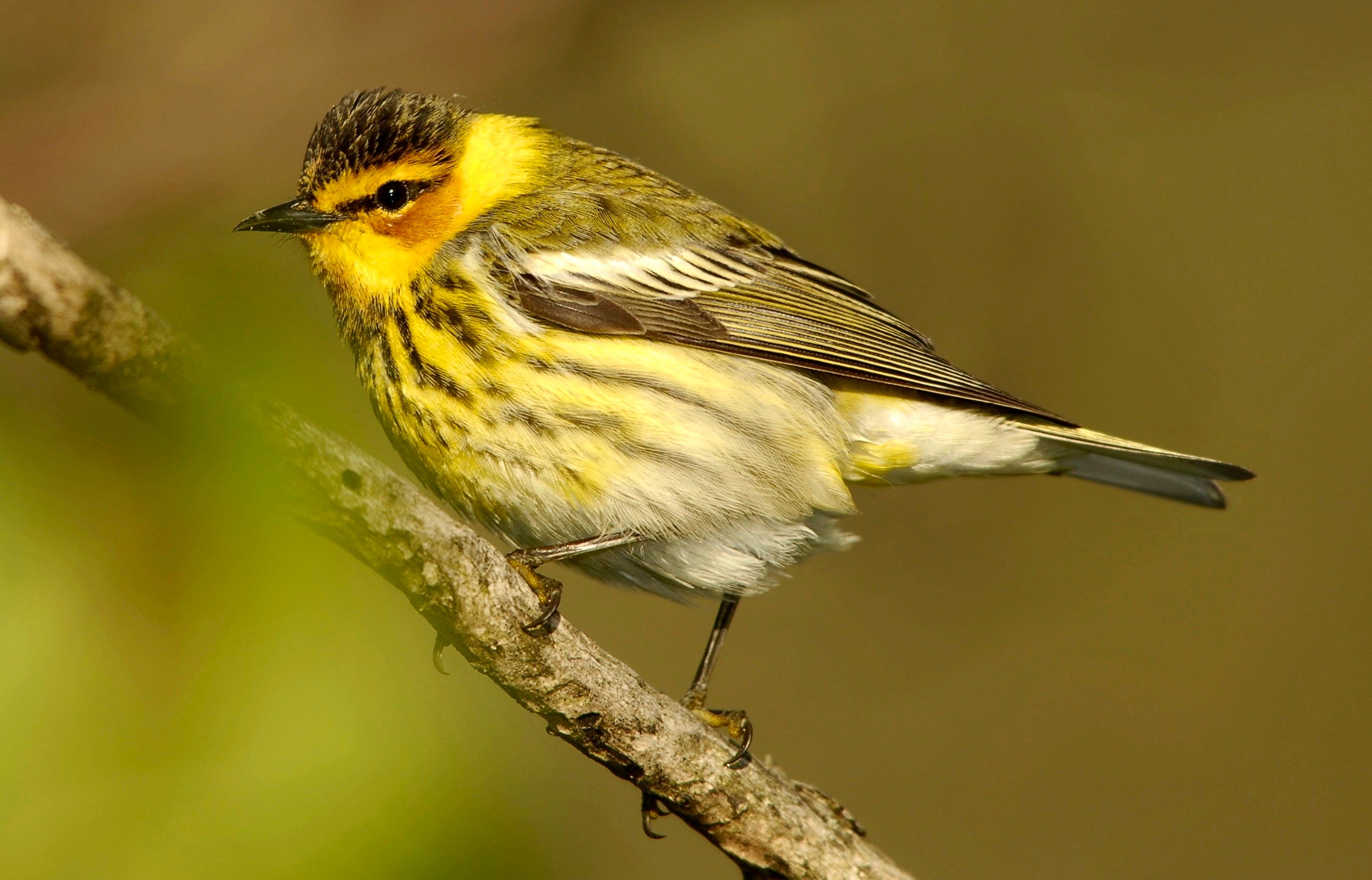
Cape May warbler started it for me when that fallout finally happened. I was still in bed, watching the weather network on TV, when I saw movement in the cedar hedge out the window, reached for my bins and zeroed in on one of my favourite birds. Bold black streaks running down its golden belly, rich chestnut cheek patches and a black crown on its head… Hooray!
The next three wiggles in the hedge were made by yellow-rumps, usually the earliest warblers to come by. I’d already seen several, but numbers that day made good motivation to leap out of bed, wolf down breakfast and go birding.
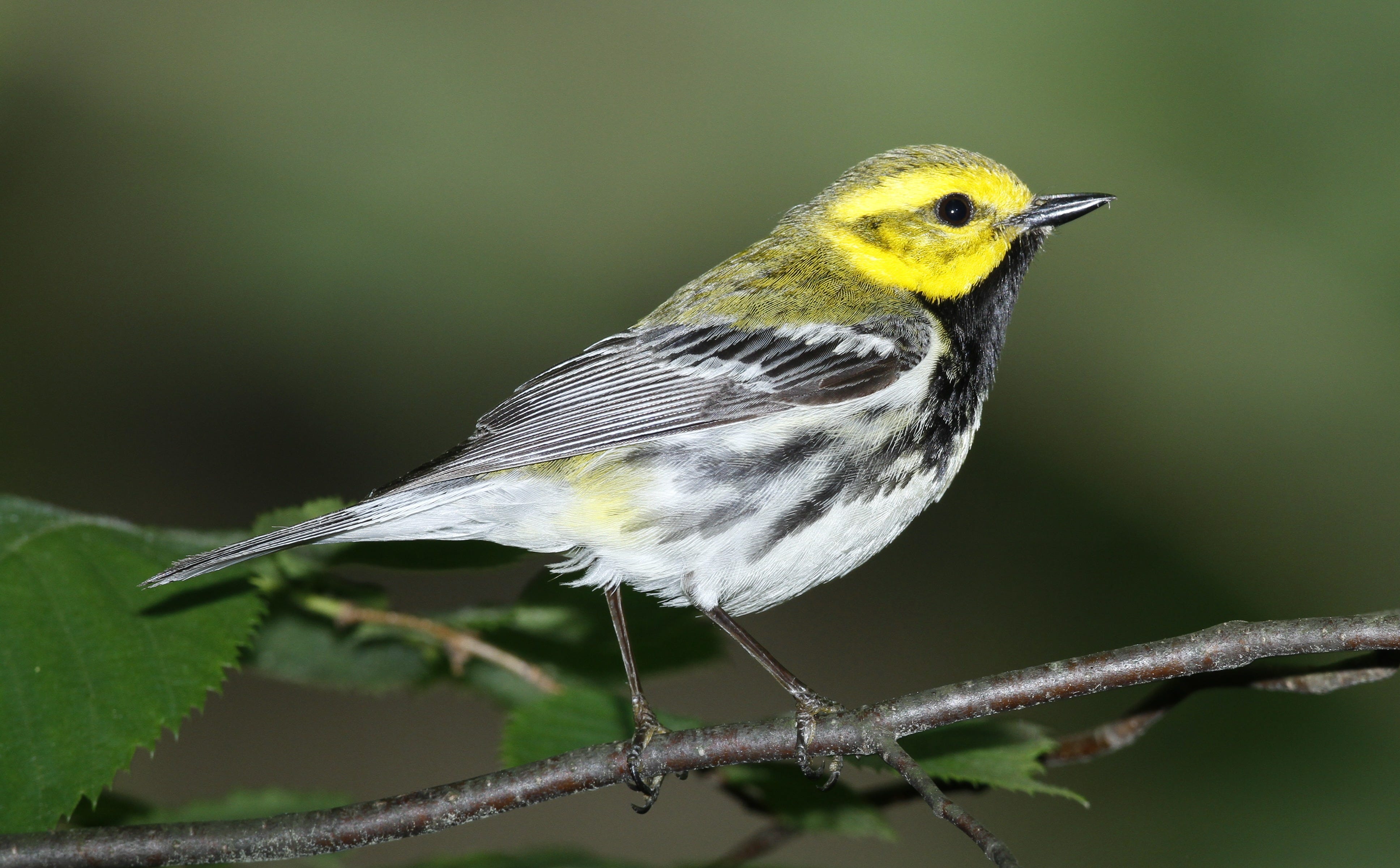
A black-throated green warbler was singing its buzzy up-and-down song in the woods behind the house, but it took me five minutes to find it. Midges always swarm on the sheltered, down-wind side of a tree, grove or woods, and sometimes right inside an evergreen. And where midges are, birds will find them.
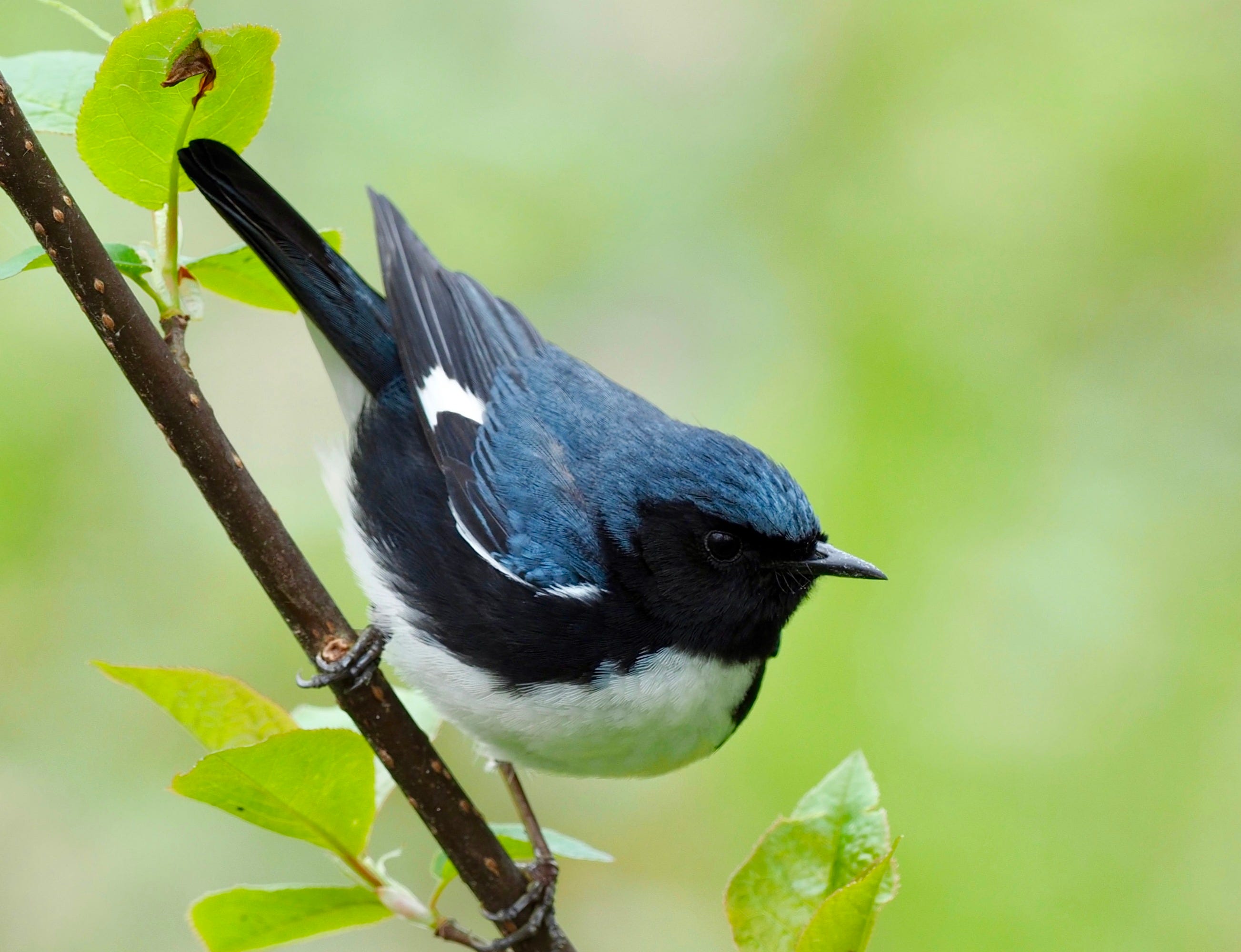
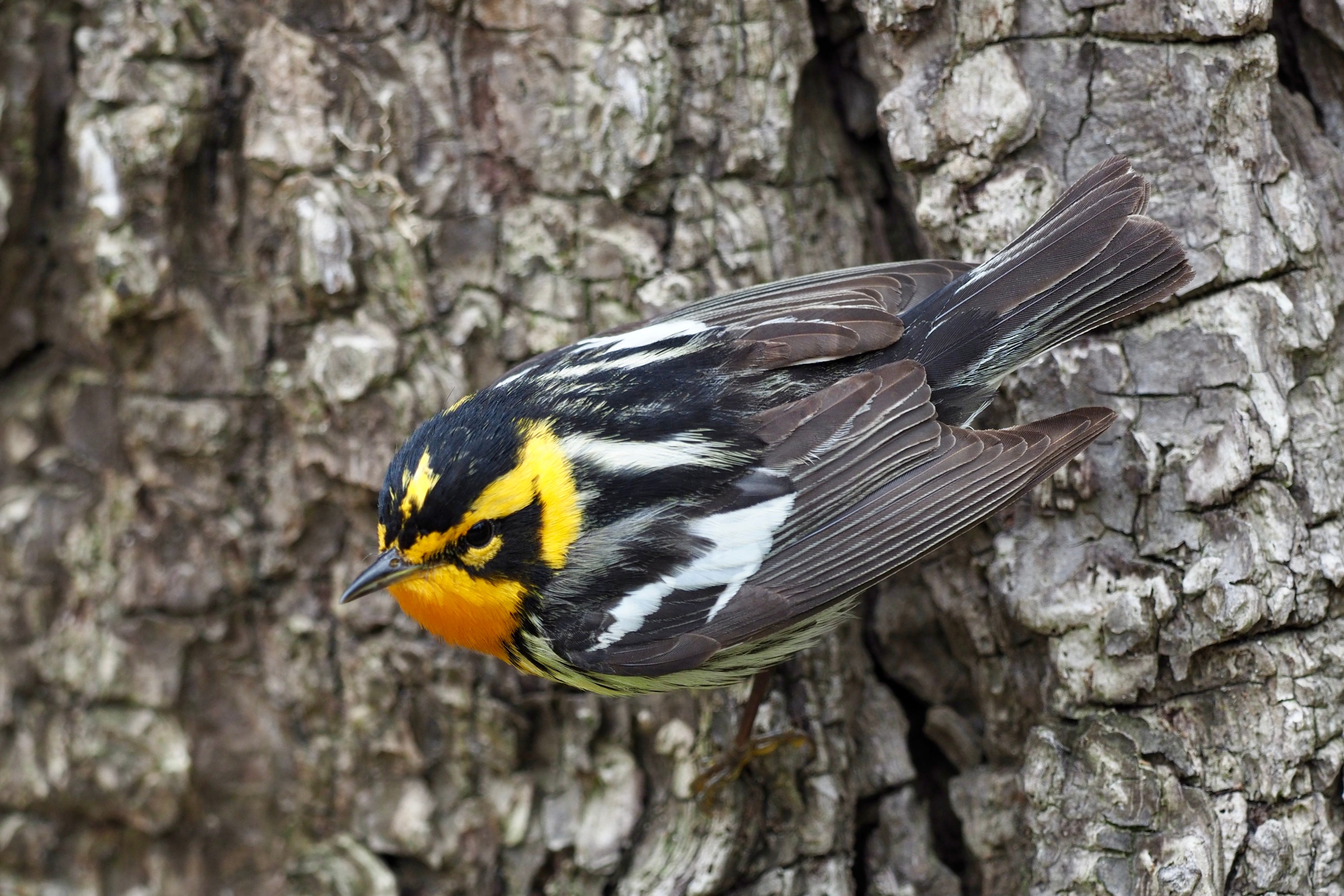
Nashville warblers were numerous—clear yellow tummy, grey head, white eye ring—and oh my gosh, Blackburnians! Neon-orange throats so delicious looking you can almost taste them! I saw my first black-throated blue male, classiest warbler of all with that one white patch on each midnight-blue wing.
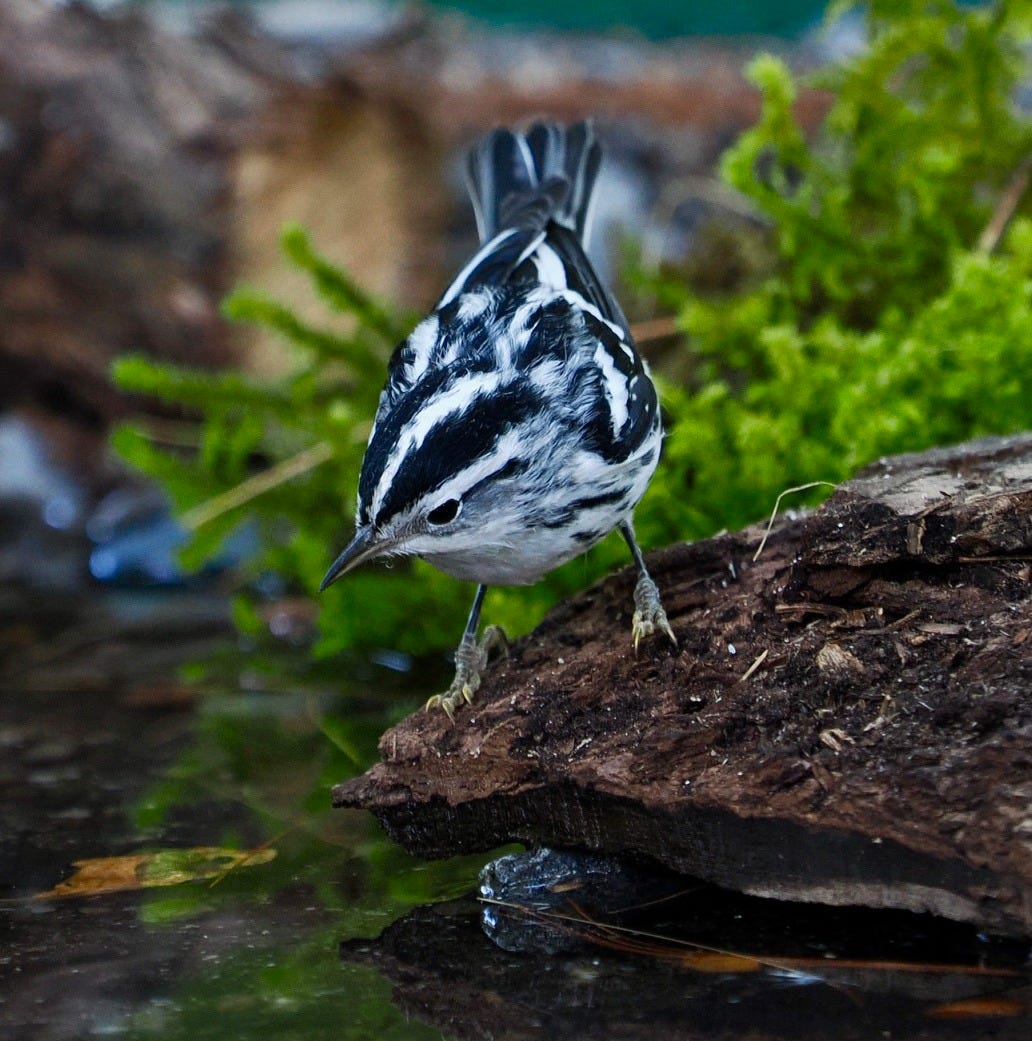
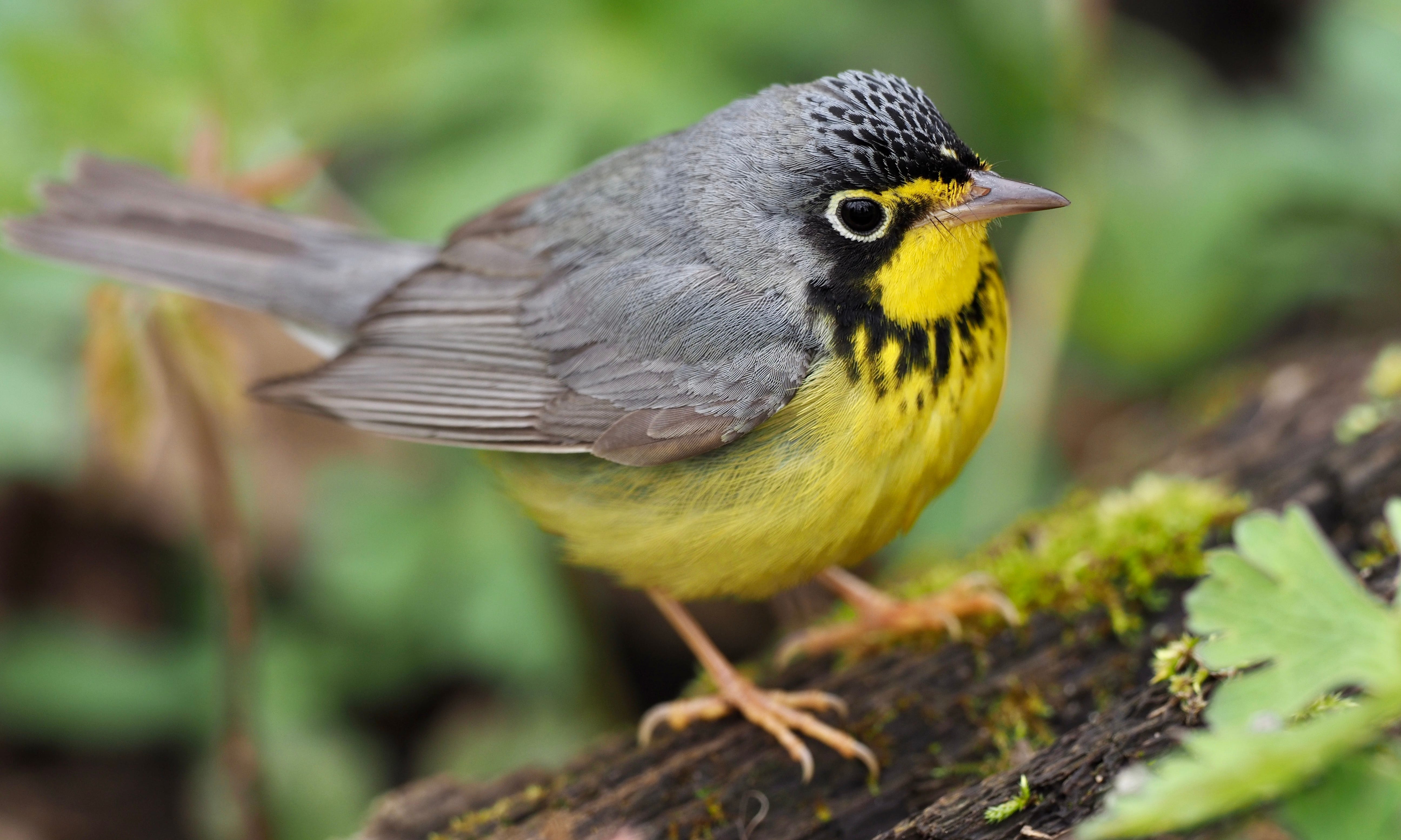
Seen any redstarts? Bay-breasteds? Black-and-whites? Any magnolias, maybe? You ask other birders you come across, passing location information back and forth as you all gaze up into the trees, binoculars raised and at the ready. Any Wilson’s? Parulas or palms? And a chestnut-sided! There it is, at last!
You want to see every single warbler species every spring, as I said. Each dropping into your heart with a splash, like a golden coin in a wishing well.
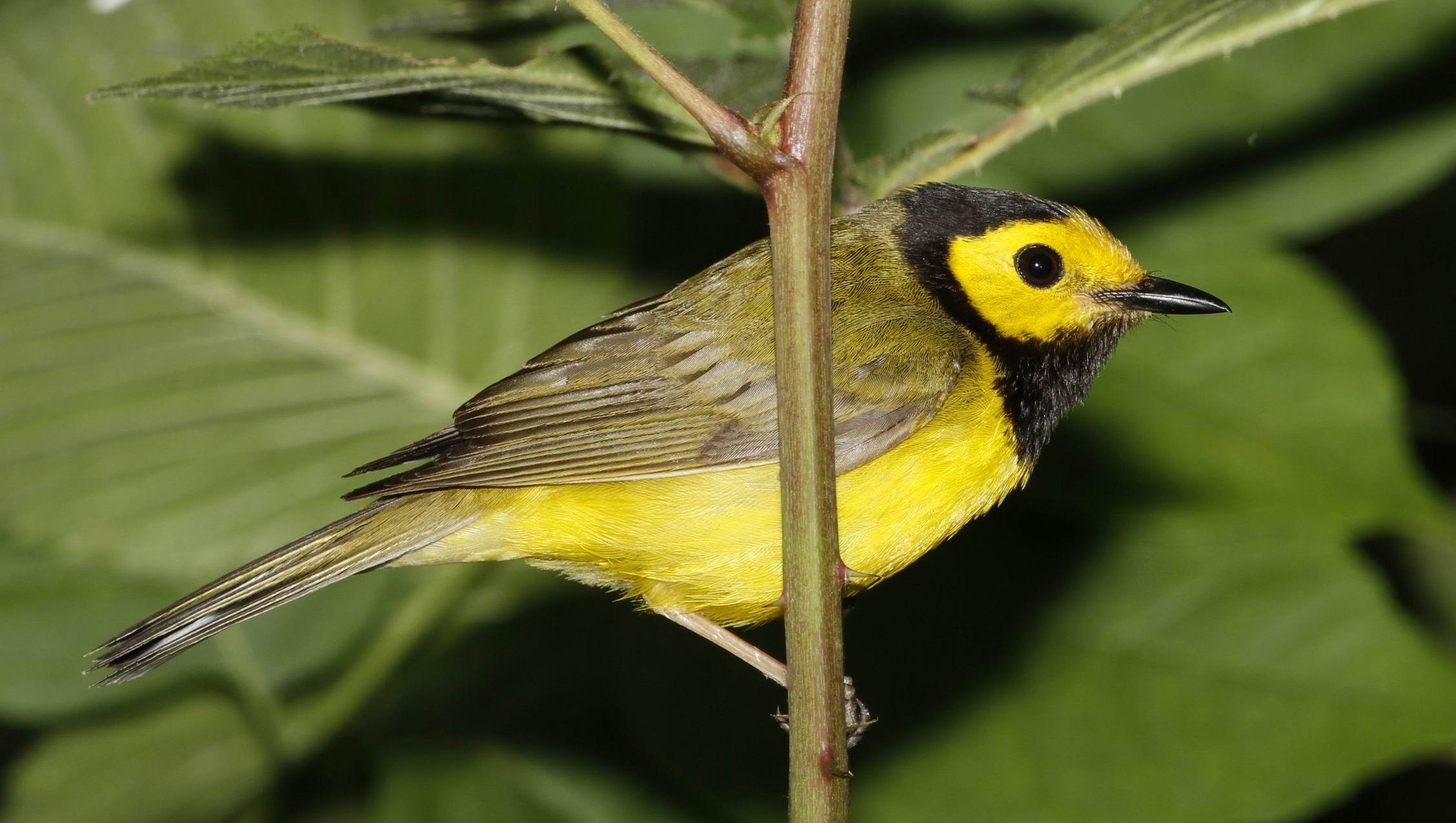
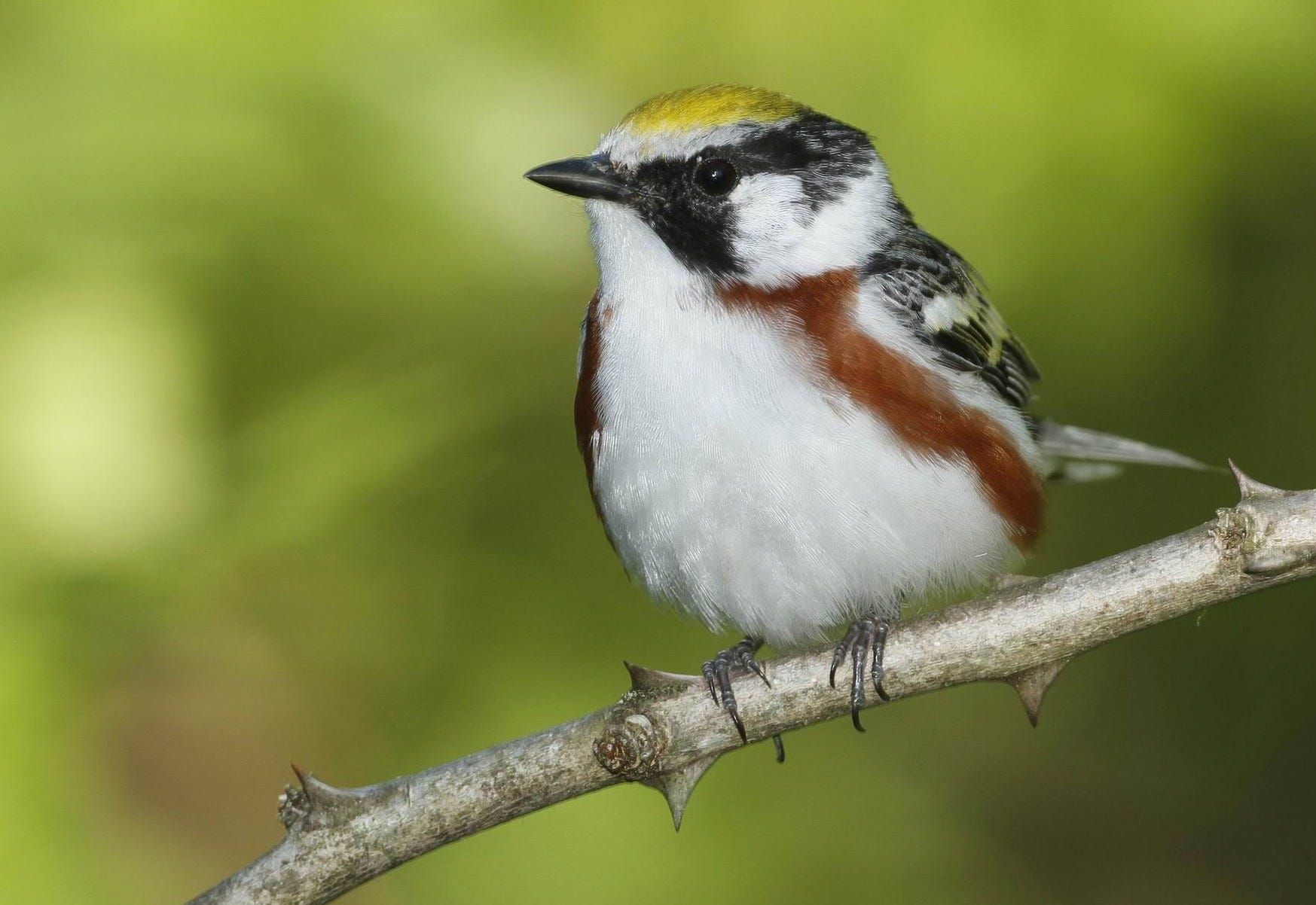
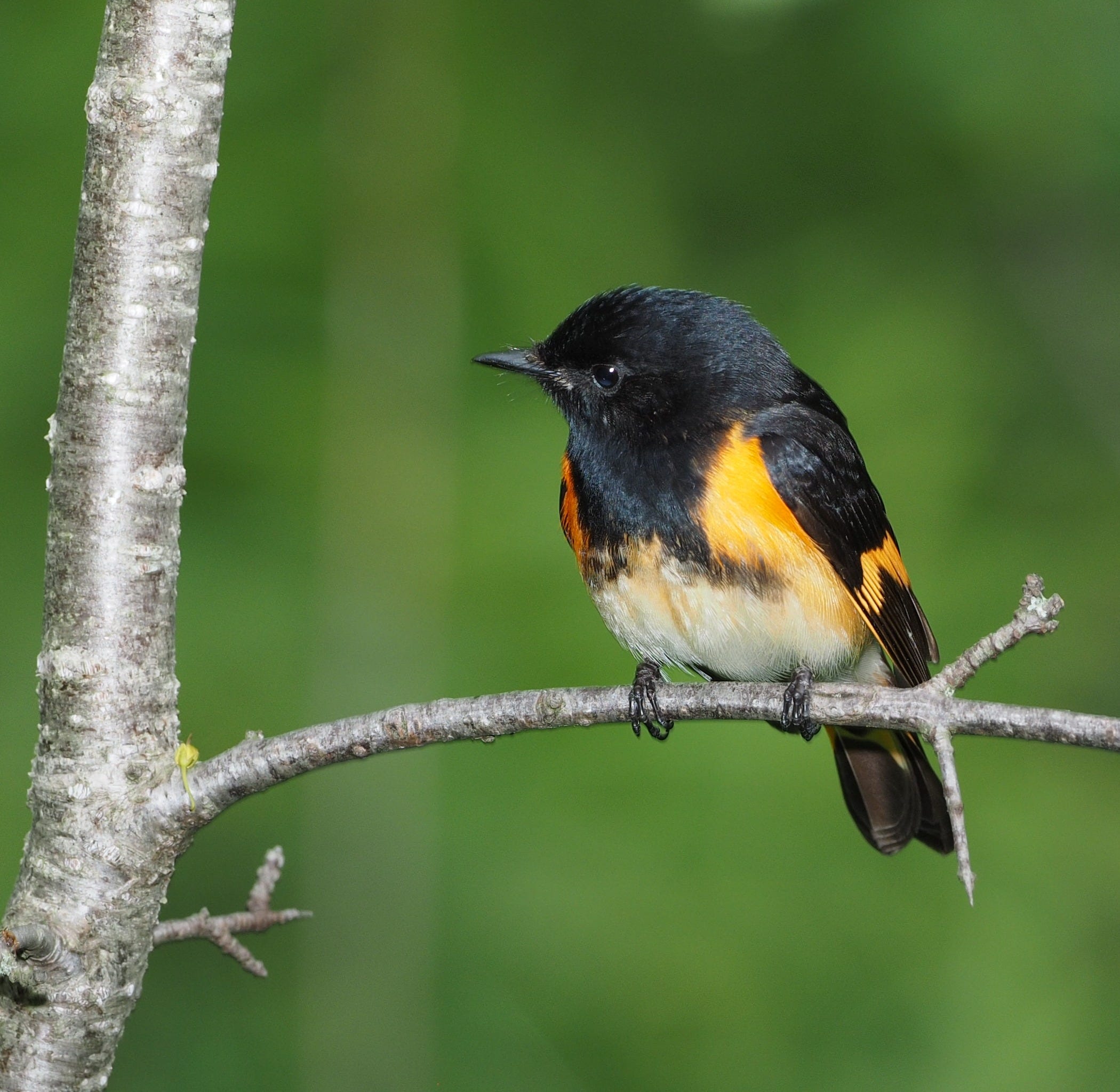
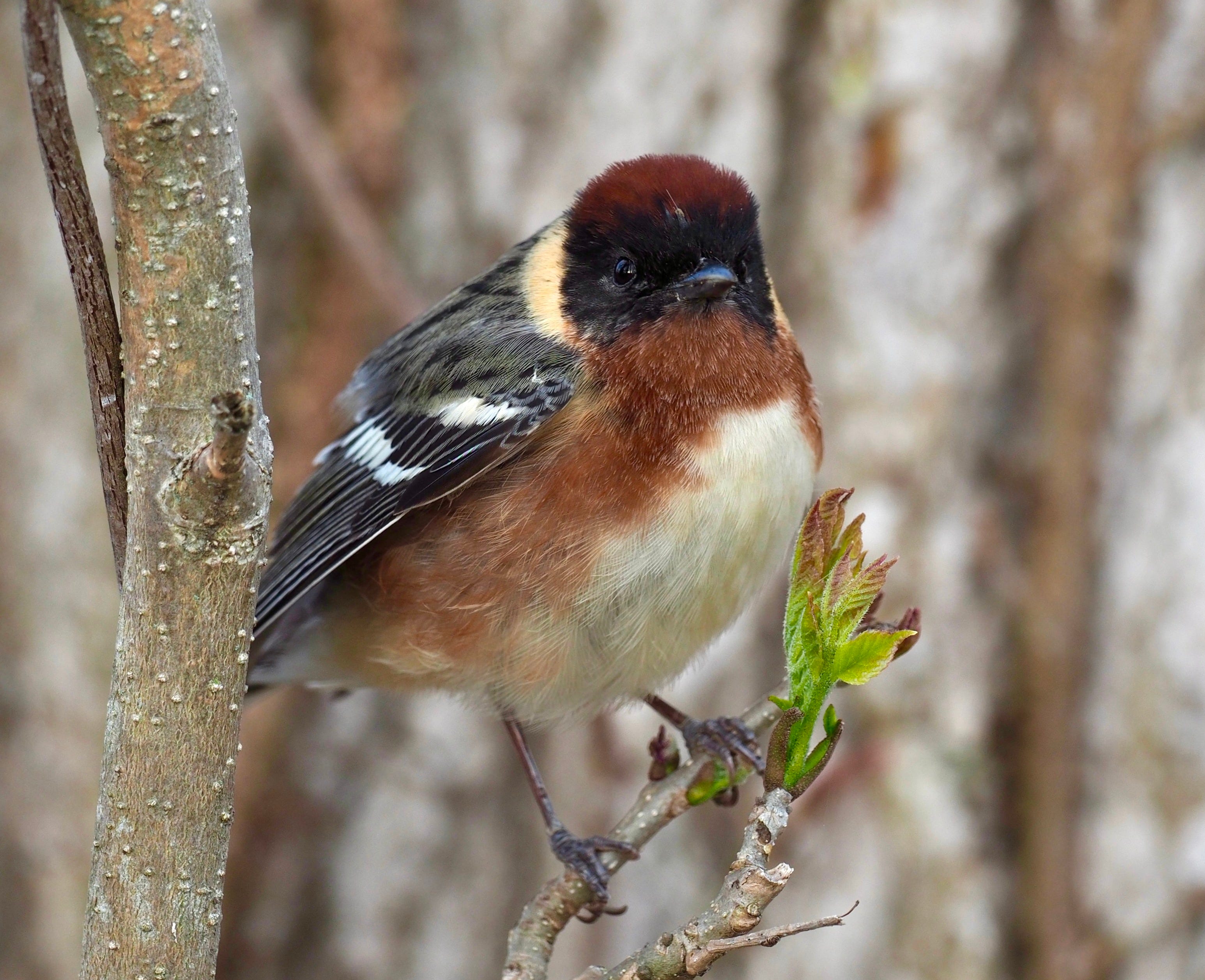
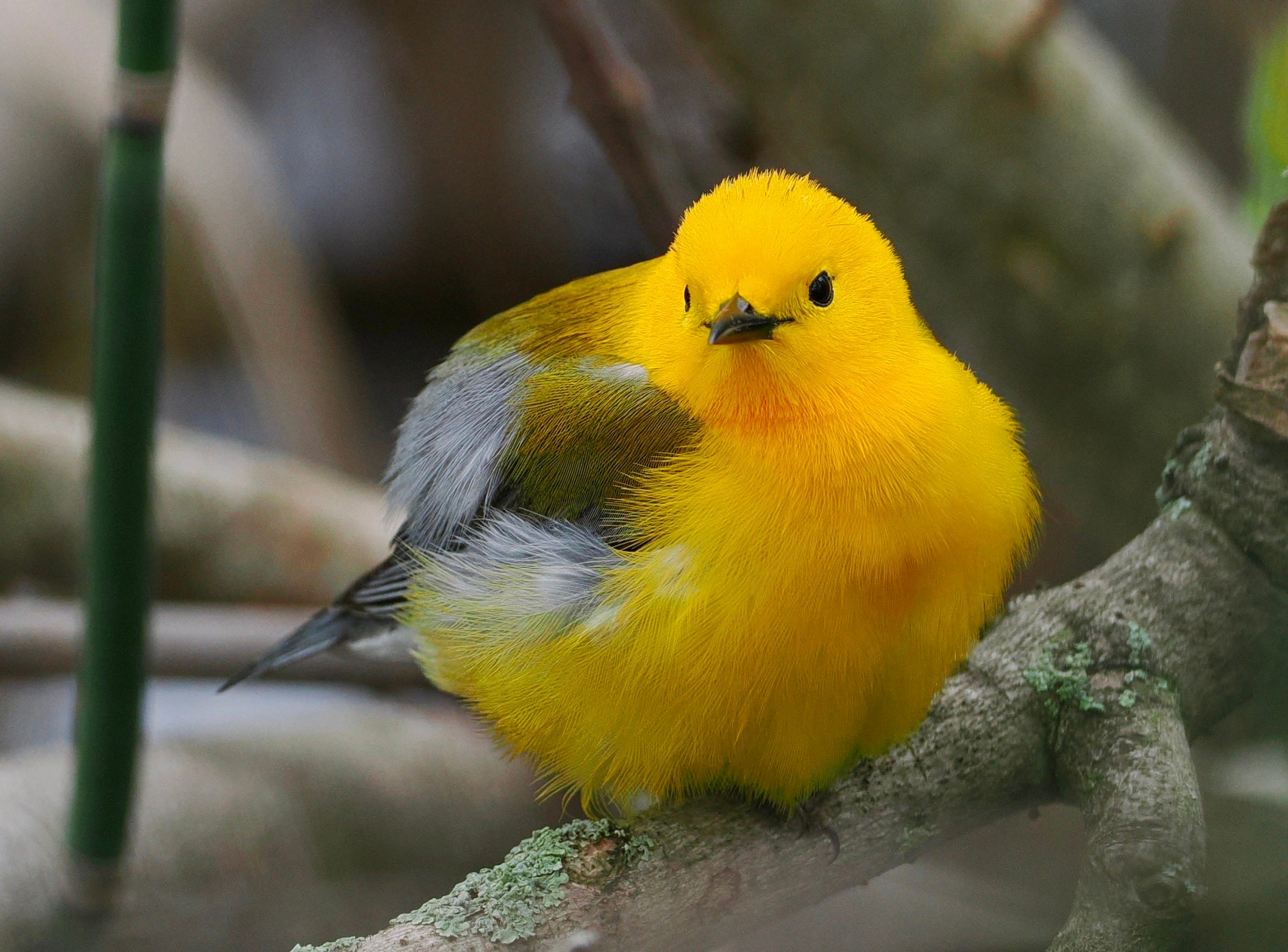
So many warblers! I doubt we have any who stay long, if they even pass through. No midges here! Have fun!
Love you articles!