Down under
in the dark

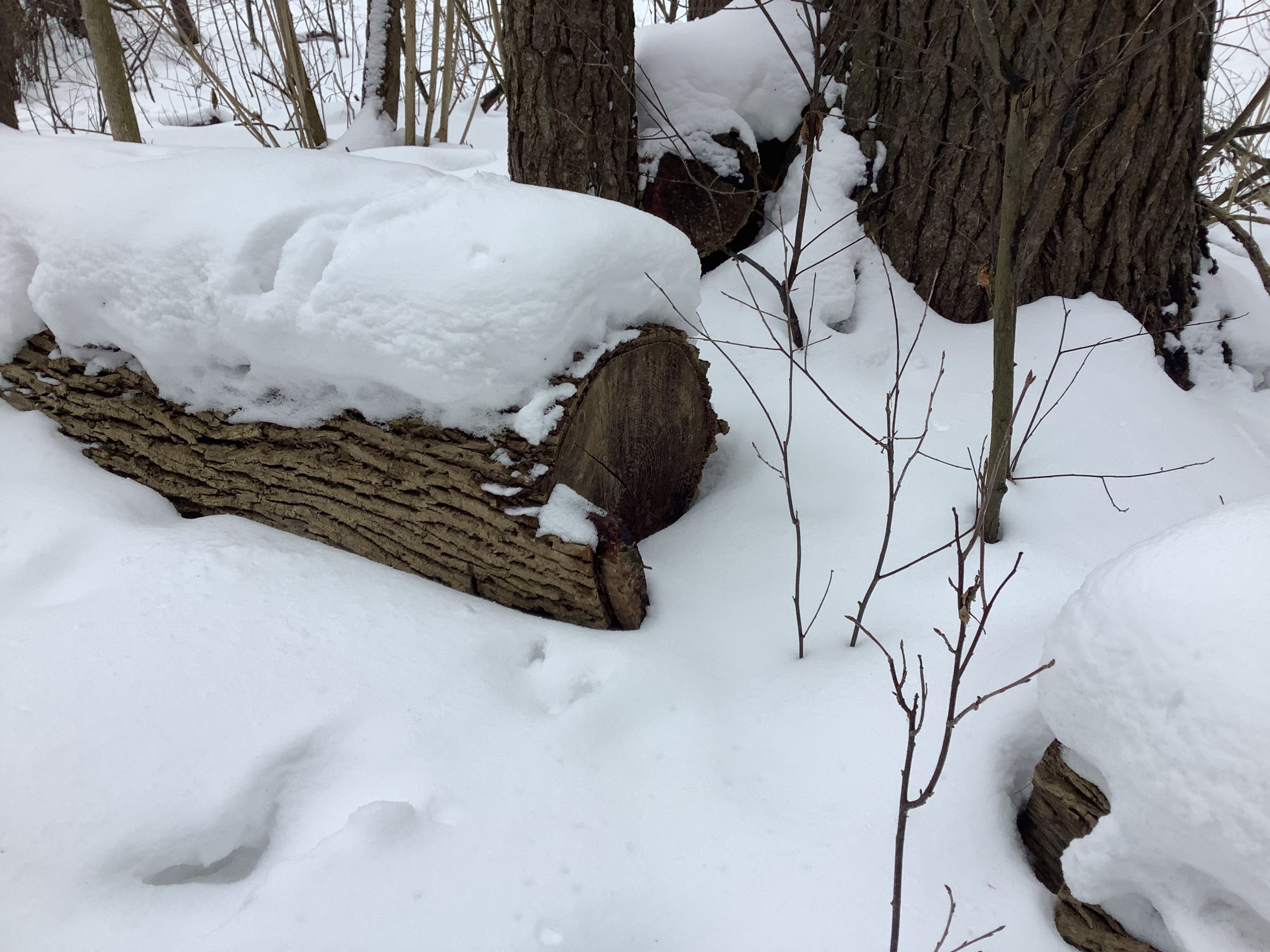
Dennis announced the latest forecast at breakfast: a balmy 6 degrees Celcius predicated for Tuesday—above freezing, finally!—followed Wednesday by 20 centimeters of snow. So another layer on the white stuff already blanketing the world… What a winter we’re having!
I haven’t seen any bare ground for weeks now, and wryly wonder if we ever will. But out there below the frost line, even now in mid-February, surprising things are going on as Earth starts getting ready for spring. I know, because I read about it in one of our mushroom books. Then I looked it up online, where AI told me all I wanted to know.
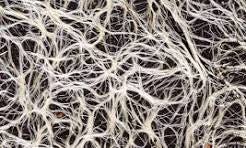
I was worried about the mycorrhizal network out there, in fact, the precious web of fungi strands laced throughout our soils, allowing trees in a forest to communicate with one another. Wondering what happens to it in the frigid, ground-freezing temperatures we’d been having. Earthworms can wriggle their way down deep and carry on eating, oozing and aerating, albeit more slowly than in spring and summer. But those ubiquitous mushroom makers can’t run away, right? So do their many filaments freeze solid or what? You don’t hear microbiologists sounding any “save the recyclers” alarm.
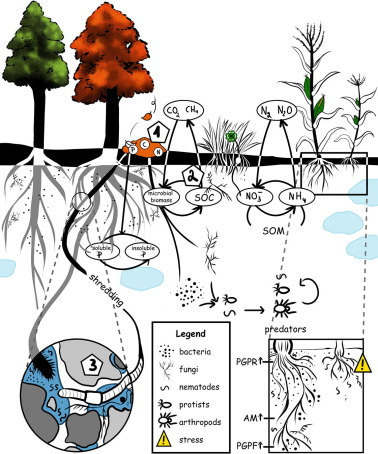
It turns out there’s a host of tiny subterranean creatures, including fungi, on the job all year round, decomposing dead plants and readying nutrients for use in the growing season to come. A recycling squad we couldn’t live without, or we’d be buried in dead plant material a kilometer deep. Healthy soils are rich, vibrant habitats made up of organic bits and pieces, sands and minerals, water and air, where an army of miniscule organisms are busily breaking things down and stirring them up, then feeding them to roots of trees, shrubs, grasses and crops, in exchange for life-giving sugars and fats they can’t make themselves.
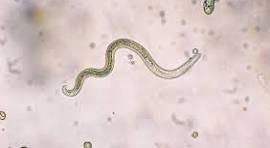
Bacteria, fungi, amoebas, nematodes, viruses—these are team players I can more or less picture, or at least imagine. But archaea? Protista? I confess I’ve never heard of them, and realize I’d better get to work overcoming my ignorance. Nearly 4 percent of the biomass on Earth is made up of these little underground workers, apparently. Since they help sequester a lot of carbon, and after oceans, soils are the second largest carbon sink we have, they’re clearly important.
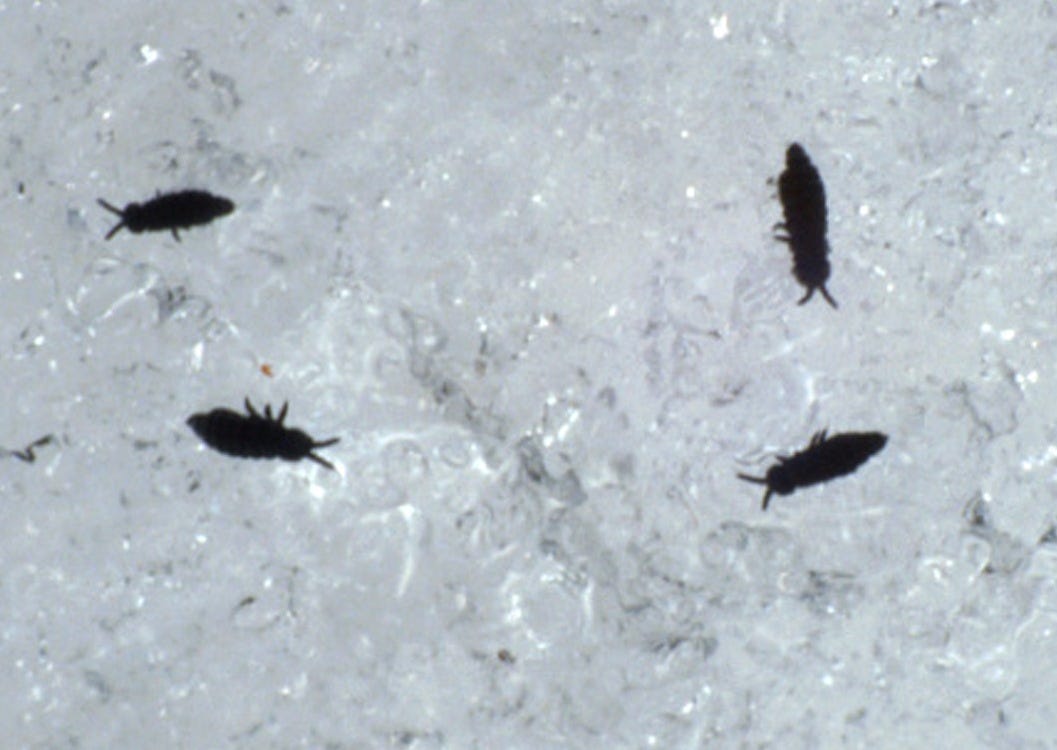
Springtails are one recycler of leaf litter we can actually see, like flakes of pepper sprinkled on the snow the first warm day in a sugar bush. Though the rest are so tiny they’re invisible to our huge human eyes, we shouldn’t just ignore them. Remember dust mites, the creepy miniscule creatures that feast on dead human skin cells and produce all the dust on my knickknacks and rock collection? They’re like them, only underground.
So back to the blanket of snow covering half the North American continent this winter… It’s probably a good thing, as snow acts as an insulator, keeping soils from freezing, compacting, drying out. Without it, the frost line can run anywhere from four inches to four feet deep. Tree roots reach lower, a winter survival strategy I bet our prized butterfly bushes don’t have.
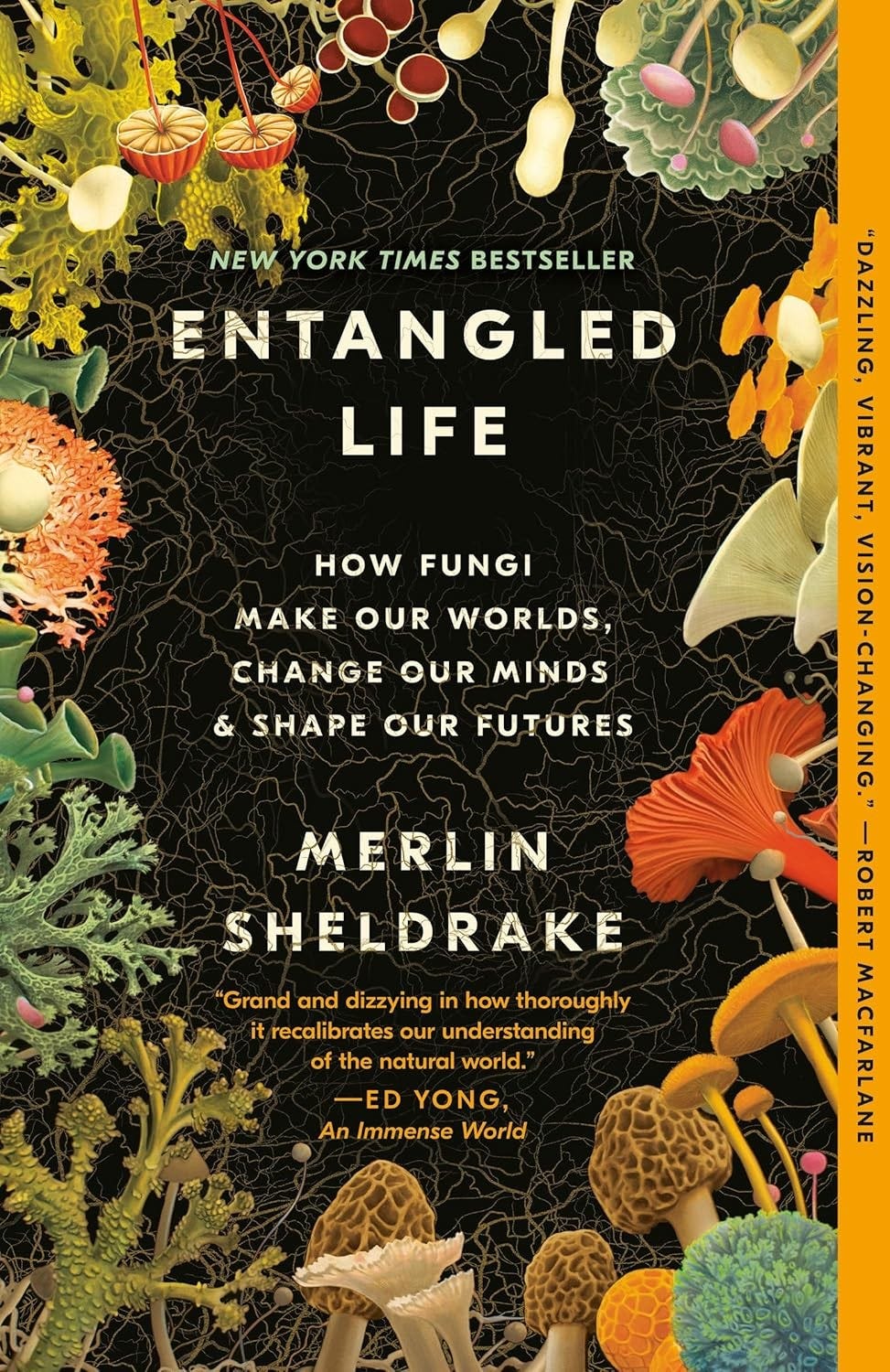
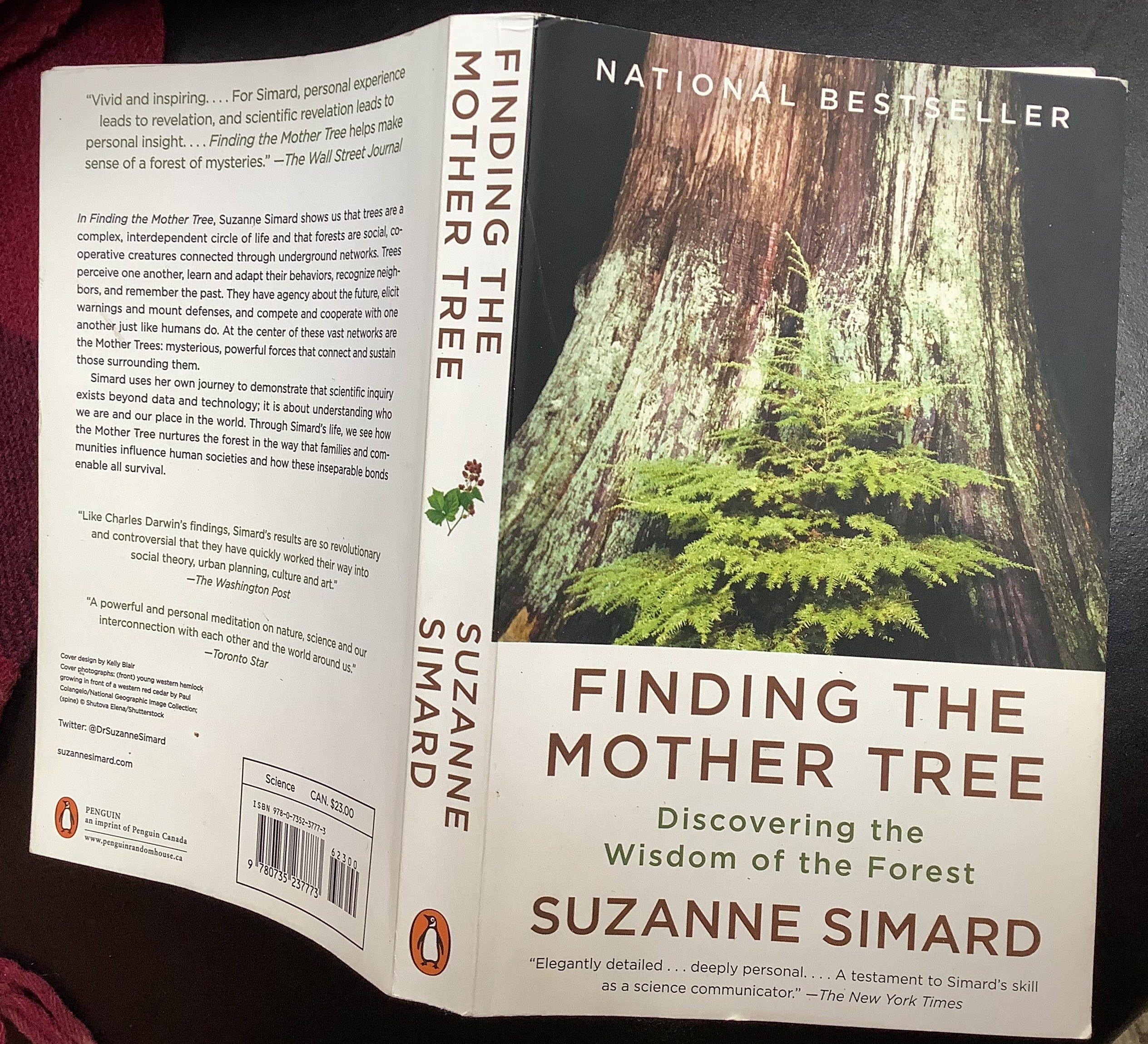
If you want to discover more surprising stuff that’s going on down under, Finding the Mother Tree by Suzanne Simard is a good place to start, and anyone who hasn’t read it yet definitely should. My good friend Vicki Thompson just recommended Entangled Life, by Merlin Sheldrake. “About mushrooms and tangentially mycelium,” she told me. “They’re so other. Not quite a plant and not quite an animal.” So I’m off to the library this week, checking out a good read while I wait for all that snow to melt.